UTQG Ratings: Treadwear, Traction, Temperature
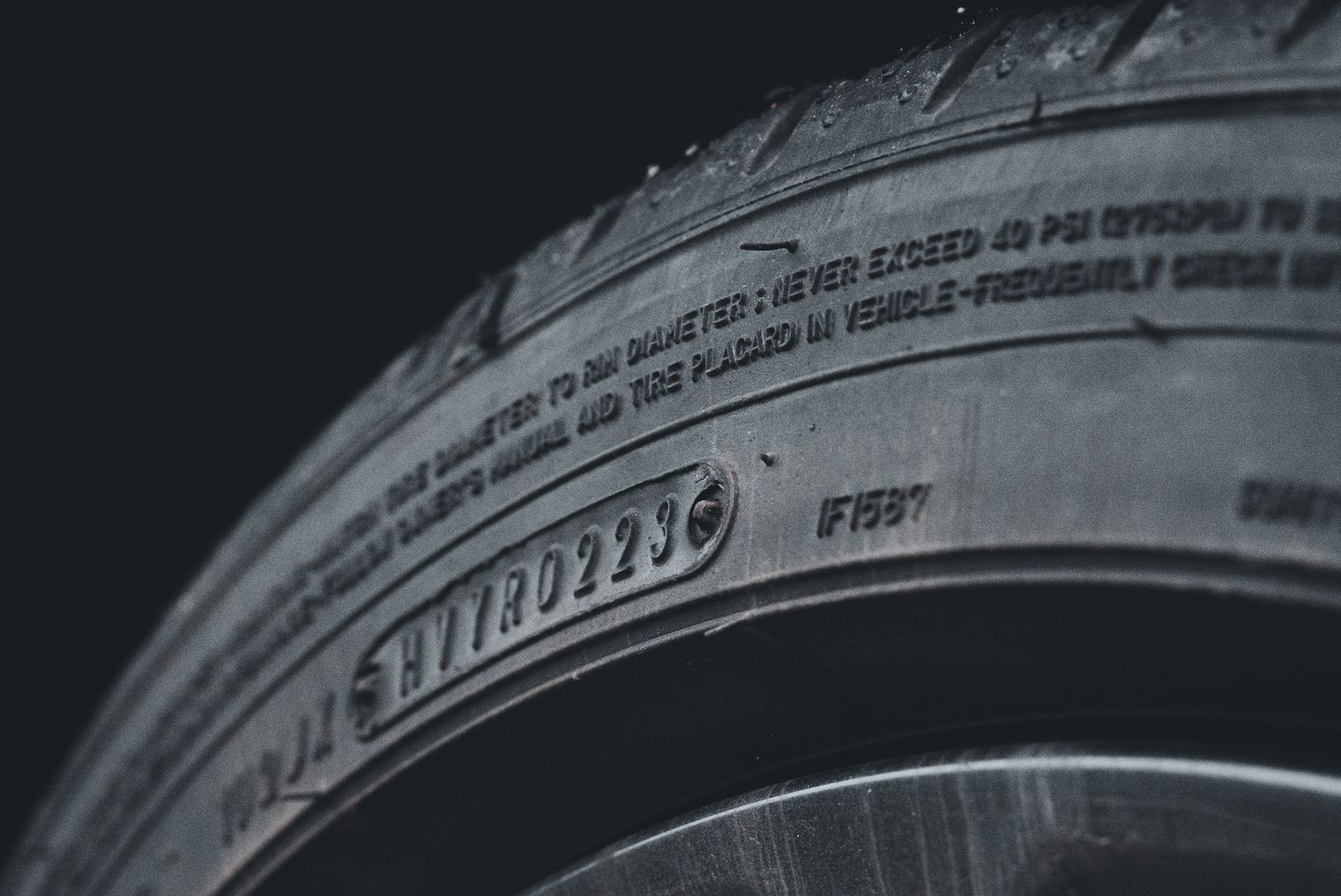
UTQG stands for Uniform Tire Quality Grading, a government-mandated system that rates tires on three metrics: treadwear (a number like 400 or 600, higher means longer life), traction (AA, A, B, or C, with AA stopping shortest on wet pavement), and temperature (A, B, or C, with A handling heat best). All three ratings are molded into the tire sidewall near the DOT code.
What does UTQG stand for and who requires it?
UTQG means Uniform Tire Quality Grading. The National Highway Traffic Safety Administration (NHTSA) requires every passenger tire sold in the United States to carry these ratings. The manufacturer tests their own tires against a government control tire and reports the results. You'll find the three codes stamped on the sidewall in a row — something like "TREADWEAR 400 TRACTION A TEMPERATURE A" — usually right after the DOT number and size markings.How does the treadwear number actually work?
Treadwear is a comparative number, not a mileage promise. The test tire runs 7,200 miles on a government track in West Texas. The control tire gets a rating of 100. If your tire wears half as fast, it gets 200. If it wears one-third as fast, it gets 300. A 400 rating means the tire lasted four times longer than the control tire under those specific test conditions. Real-world mileage depends on your driving habits, alignment, inflation pressure, and South Florida heat. A 400-rated tire on a daily driver running I-95 from North Miami to Fort Lauderdale might give 45,000 to 55,000 miles. The same tire on a weekend car garaged in Aventura could push 70,000.What do the traction letters AA, A, B, and C mean?
Traction measures wet braking grip on asphalt and concrete. The test locks the brakes at 40 mph on a wet surface and measures stopping distance. AA is the highest grade — shortest stops. A is good. B is acceptable. C meets the minimum federal standard but stops significantly longer. For North Miami drivers, where afternoon thunderstorms turn Biscayne Boulevard into a slip zone from May through October, AA or A traction matters. A tire rated C can take 20 to 30 extra feet to stop from 40 mph on wet pavement compared to AA. That's two car lengths.Why does the temperature rating matter in South Florida?
Temperature grades (A, B, C) reflect a tire's ability to dissipate heat at sustained speed. The test runs the tire on an indoor drum at high speed until it fails. A handles the most heat, C the least. Federal minimum is C. In North Miami, where pavement temperatures hit 140°F in July and you're doing 70 mph on the Turnpike with a loaded car, heat builds fast. A tire rated A resists internal breakdown longer. A C-rated tire on the same run risks tread separation or sidewall blowout. If you tow a boat to Haulover or run the Dolphin Expressway daily, stick with A temperature.How do I read the UTQG codes on my sidewall?
Look at the tire sidewall near the rim. You'll see raised lettering that includes the size (like P215/60R16), load index, speed symbol, and DOT code. Right after DOT, find the three UTQG lines. They read exactly like this: TREADWEAR 500 TRACTION A TEMPERATURE A. Sometimes they're on separate lines, sometimes all in one row. The numbers and letters are molded into the rubber — they don't wear off. If you can't find them, shine a phone flashlight at a low angle across the sidewall; the shadows make the raised text pop.Can I compare UTQG ratings across different brands?
Only within the same brand. Each manufacturer tests against the same government control tire, but they run their own tests on their own equipment. A 500 treadwear from Brand X may not last as long as a 400 from Brand Y. The traction and temperature grades are more consistent because they're pass/fail thresholds, but even there, an AA from one maker might stop a few feet shorter than an AA from another. Use UTQG to compare models within one brand's lineup. For cross-brand shopping, look for independent test data from sources that run all tires on the same machine, same day, same pavement.What UTQG ratings should I look for in North Miami?
For daily driving on US-1, the Palmetto, and neighborhood streets from North Miami Beach to El Portal, aim for treadwear 400 or higher, traction AA or A, temperature A. That combination handles our heat, sudden downpours, and long highway stretches. If you drive a performance car and swap tires every 20,000 miles anyway, a 300 treadwear with AA traction gives more grip. If you put 2,000 miles a year on a garage-kept classic, a 600 treadwear with A traction saves money. Match the rating to your actual use, not the highest number on the shelf. The video — "Explaining tire sizes and UTQG ratings" — works through the sidewall the way this post does: first the tire size markings, then the UTQG grades themselves, treadwear, traction, and temperature. It is a reading lesson, not a sales pitch: the goal is that the next time a spec sheet or a sidewall shows you a row like 400 AA A, you can decode it yourself instead of taking a counter clerk's word for what it means. Watch it with your own sidewall codes in mind — check the three grades on the tires on your car right now before you shop for their replacements, so you know whether the new set is a step up, a step down, or the same tire with a different number.When to call us
If you're staring at sidewall codes and still unsure which tire matches your commute — North Miami to Brickell, or the school run through Miami Shores — call North Miami Tire at (786) 949-9563. We come to you in North Miami and nearby, evenings and weekends (Mon–Fri 5PM–7AM, Sat–Sun 24 hours), and we'll read the ratings on what you already have before you spend anything on a new set. No pressure, no upsells.