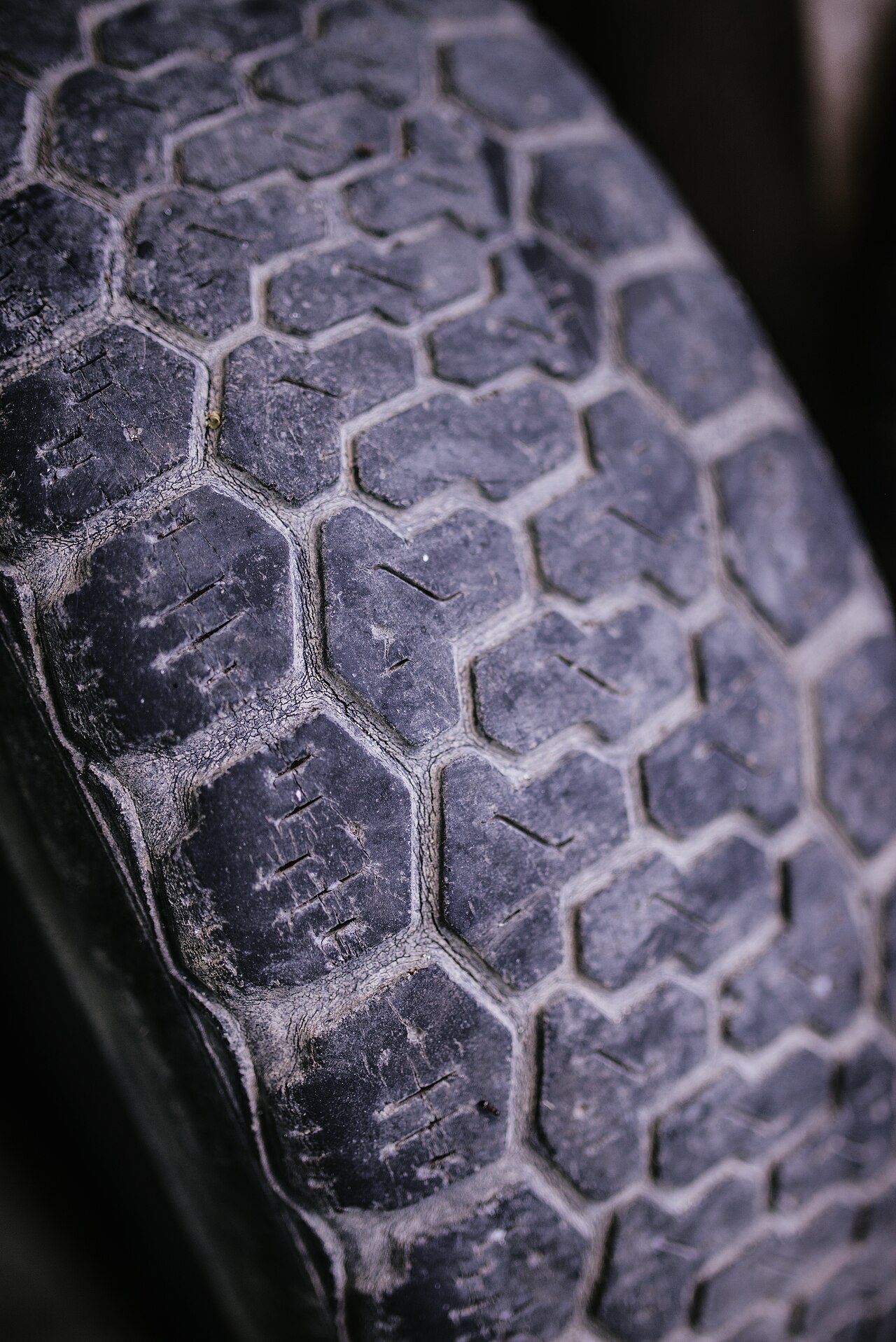
Why 6-Year-Old Tires Need Replacing
It was a humid August morning in North Miami. A driver in a midsize sedan pulled over on the side of the road to check a tire that looked perfectly fine — deep tread, no cuts, no bulges. The sidewall told a different story: the little four-digit code stamped near the rim showed the tire was made more than six years ago. And in South Florida, six years is where tires start becoming a gamble.
Tires age out even when the tread looks good. Heat, sunlight, and oxygen break down the rubber compounds over time, so most tire and vehicle makers recommend replacing tires around six years after manufacture — regardless of tread depth. Check the DOT date code on your sidewall to find your tires' real age.
Why does a tire's age matter more than its tread depth?
Tread depth is the wear you can see. Aging is the wear you can't. From the day a tire is made, oxygen and heat start breaking down the rubber compounds inside it. The rubber slowly hardens and loses flexibility, and tiny cracks form in the sidewall and between the tread blocks. In South Florida's heat and UV, this happens faster than in cooler climates. A tire with plenty of tread can still fail suddenly if the rubber has aged past its safe life.
What actually happens to rubber as it gets old?
Think of an old rubber band — it gets stiff, brittle, and eventually snaps with far less force than a new one. Tire rubber goes through the same thing. The oils and chemicals that keep the rubber flexible evaporate and oxidize over the years. The steel belts inside can also corrode if moisture works in through small cracks. The result is a tire that looks fine standing still but can come apart under the heat and stress of highway driving.
How do I find out how old my tires are?
Every tire sold in the US has a DOT code stamped on the sidewall, ending in a four-digit number. The first two digits are the week of manufacture, the last two are the year. A code ending in "2219" means the tire was made in the 22nd week of 2019. Check all four tires — and the spare — because they may have been made at different times. If any tire is past the six-year mark, it's on borrowed time no matter how the tread looks.
What are the warning signs of an aged tire?
Look closely at the sidewalls and between the tread blocks for fine cracking, sometimes called dry rot. Check for a faded, grayish look to the rubber, small bulges, or uneven wear that isn't from alignment. A vibration at highway speed can also be a sign the tire's internal structure is breaking down. Any of these on a tire more than a few years old means replacement, not repair.
What do the manufacturers actually recommend?
Most vehicle and tire manufacturers recommend replacing tires at around six years from the date of manufacture, even if they haven't reached their mileage limit. Some allow up to ten years with annual professional inspections after year five, but six is the widely used rule of thumb. Heat and sun exposure shorten that window — which is exactly what South Florida delivers year-round.
Does low mileage make old tires safe?
No — this is the most dangerous myth about tire age. A car that sits in a driveway still has tires aging from oxygen and UV exposure. In some ways garage queens and spare tires are worse off, because regular flexing from driving actually helps distribute the protective compounds in the rubber. A ten-year-old spare with full tread is not a safe spare.
The video above, "Are Your Tires Expired?" from Shaners Mechanic Life, shows where to find the DOT date code stamped on your own tire's sidewall and how to decode the four digits into the week and year of manufacture — and explains why a tire needs replacing on age alone, even when the tread still looks deep.
When to call us
DIY is great, but some jobs need a pro. If your tires are six years old or more, you spot cracking or bulges, or you'd rather have an expert check them, call (786) 949-9563 — North Miami Tire serves North Miami and nearby (Mon-Fri 5PM-7AM, Sat-Sun 24H). No pressure, no upsells.