Driver Door Sticker: Reading the Placard
Driver Door Sticker: What's It Trying to Tell You?
As you step out of your car on a sweltering Miami morning, you glance down at the driver door sticker and wonder what it's trying to tell you. You know it's something important, but the jargon and symbols seem like a secret code. Let's break it down, so you can understand what your vehicle is trying to say.
The driver door sticker is a crucial part of your vehicle's maintenance, and it's trying to tell you when your tire pressure is off, when your tire is damaged, and when your tire needs to be replaced. That placard shows the tire pressure your manufacturer recommends — most sedans and crossovers land between 30 and 35 PSI, and the exact number is printed right on your sticker.
What's the Purpose of the Driver Door Sticker?
The driver door sticker is your manufacturer's reference for the correct tire pressure. It doesn't monitor anything itself — it's a printed label showing the recommended PSI (front and rear) for your exact make and model, plus the correct tire sizes. The point is simple: whenever you check your pressure, this is the number you compare the gauge against.
Decoding the Symbols on the Driver Door Sticker
The driver door sticker features a series of symbols and markings that can seem confusing at first glance. However, each symbol has a specific meaning, and once you understand what they represent, you'll be able to decipher the message your vehicle is trying to convey.
The most prominent symbol on the sticker is the tire pressure indicator. This symbol shows the recommended tire pressure for your vehicle, which is usually indicated by a number and a unit of measurement (PSI). For most sedans and crossovers it lands between 30 and 35 PSI — but the exact number on your placard wins over any rule of thumb.
What Does the Tire Pressure Indicator Mean?
The tire pressure indicator is a critical component of the driver door sticker. It tells you when your tire pressure is off, which can lead to a range of problems, including reduced fuel efficiency, uneven tire wear, and even tire failure.
When the tire pressure indicator shows a number that's significantly lower than the recommended pressure, it means your tire pressure is off. This can be caused by a variety of factors, including driving on underinflated tires, overloading your vehicle, or using the wrong type of tire.
What Happens When Your Tire Pressure is Off?
When your tire pressure is off, it can lead to a range of problems, including:
- Reduced fuel efficiency: Underinflated tires can shave a noticeable chunk off your fuel efficiency, which costs you money every time you fill up in Miami traffic.
- Uneven tire wear: Underinflated tires can cause your tires to wear unevenly, which can lead to a range of problems, including reduced traction, increased risk of tire failure, and even tire blowouts.
- Tire failure: Underinflated tires can lead to tire failure, which can be a serious safety issue. If your tire fails, you may lose control of your vehicle, which can lead to accidents and even injuries.
What's the Recommended Tire Pressure for My Vehicle?
The recommended tire pressure for your vehicle is usually indicated by a number and a unit of measurement (PSI) on the driver door sticker. For most sedans and crossovers it lands between 30 and 35 PSI — but the exact number on your placard wins over any rule of thumb.
However, the recommended tire pressure may vary depending on a range of factors, including the type of tire you're using, the load capacity of your vehicle, and the driving conditions you're in.
How Often Should I Check My Tire Pressure?
It's essential to check your tire pressure regularly to ensure your vehicle is running safely and efficiently. You should check your tire pressure at least once a month, and before long trips, to ensure your tires are properly inflated.
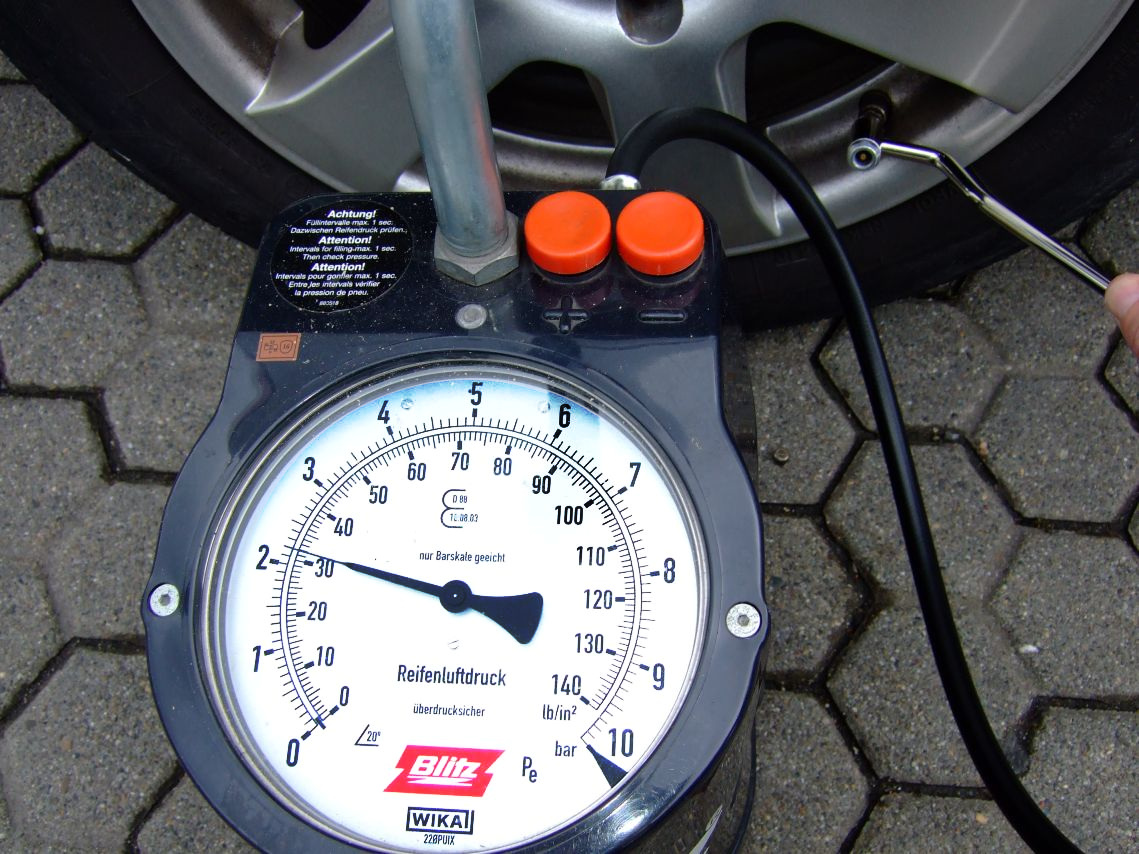
To check your tire pressure, you'll need a tire pressure gauge. You can find tire pressure gauges at most auto parts stores or online. Simply remove the valve cap from the tire stem, press the gauge onto the valve, and take a reading.
What If I'm Not Sure What the Driver Door Sticker Means?
If you're not sure what the driver door sticker means, don't worry. It's a complex system, and it can be confusing at first. However, by taking the time to understand the symbols and markings on the sticker, you'll be able to decipher the message your vehicle is trying to convey.
Alternatively, you can consult your owner's manual or speak with a qualified mechanic if you're unsure about what the driver door sticker means.
What the Video Shows
The video below is a DIY walkthrough of checking your tire pressure with a gauge and comparing the reading to the number on your door placard. It covers where to find the placard, how to take a pressure reading, and what to do if your tires are low.
When to Call Us
If you're not sure what the driver door sticker means, or if you're experiencing any issues with your tire pressure, tire damage, or tire wear, don't hesitate to call us. At North Miami Tire, we're committed to providing you with the best possible service and ensuring your vehicle is running safely and efficiently.
Call us today at (786) 949-9563 or visit our website at northmiamitire.ink to schedule an appointment or learn more about our services.