Cold Morning Readings: Most Accurate
Cold Morning Readings: Most Accurate
Imagine a chilly winter morning in North Miami, the sun just starting to peek over the horizon. The air is crisp, and the streets are quiet, save for the occasional sound of a car driving by. It's a great time to check your tire pressure, as the cold weather can cause it to drop significantly. But how do you know if your reading is accurate?
Most people assume that their tire pressure gauge is accurate, but the truth is that many gauges are off by 1-2 PSI. This might not seem like a lot, but it can make a big difference in the performance and safety of your vehicle. So, how can you ensure that your cold morning reading is accurate?
How to Check Tire Pressure in Cold Weather
Checking tire pressure in cold weather requires a few extra steps to ensure accuracy. Here are some tips to help you get the most accurate reading:
- Make sure your tire pressure gauge is calibrated. You can check the calibration by comparing the reading on your gauge to the recommended pressure on the tire's sidewall. A well-calibrated gauge can be off by as little as 0.1 PSI, while a poorly calibrated gauge can be off by up to 2 PSI.
- Check the temperature of your tires. If they're cold, wait for about 30 minutes to an hour before checking the pressure. This will give the tires time to warm up to room temperature. You can use a thermometer to check the temperature of your tires, or simply wait until the air feels warm to the touch.
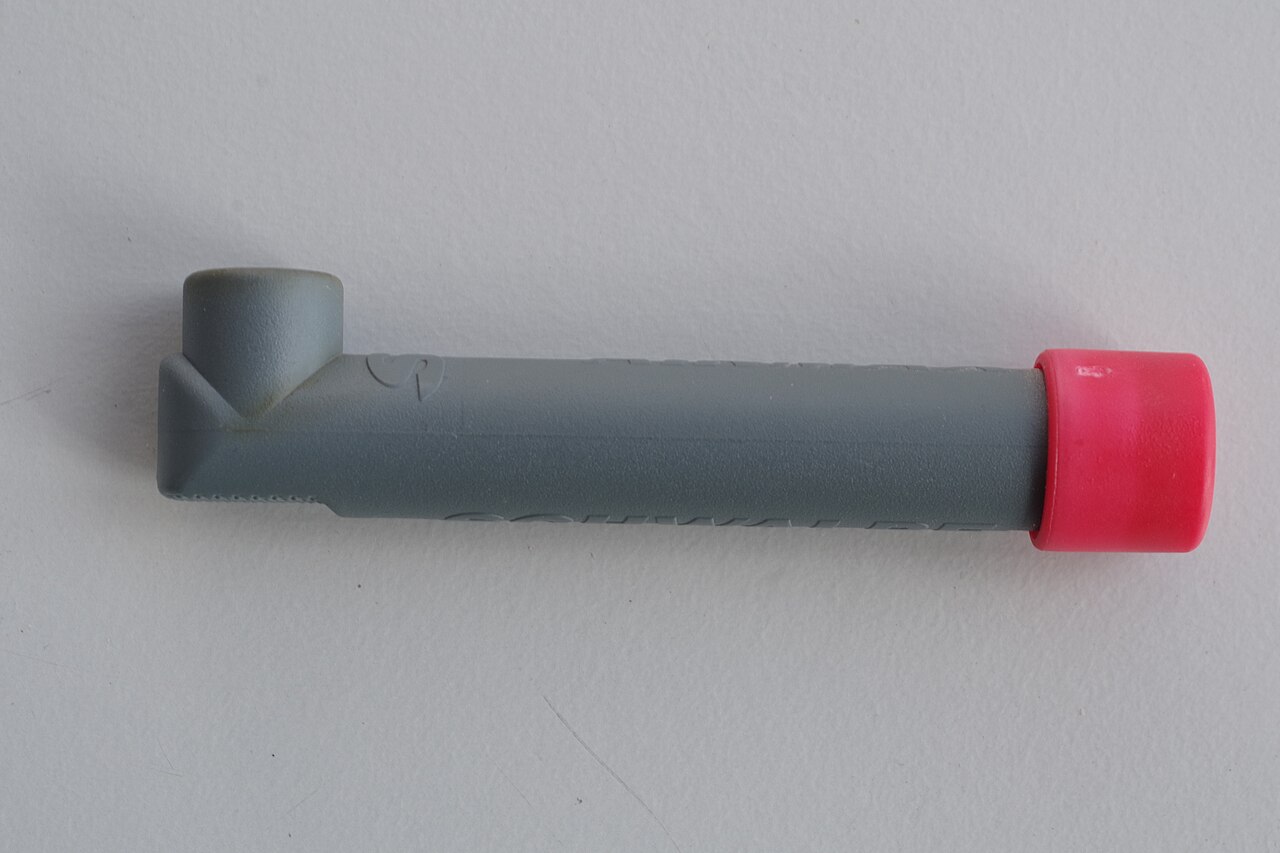
- Use a high-quality tire pressure gauge. Digital gauges are often more accurate than analog gauges. Look for a gauge that has a resolution of 0.1 PSI or better, and a maximum pressure range of at least 50 PSI.
- Check the pressure when your tires are cold, not when they're hot. This is because tire pressure can increase as the tires warm up. If you check the pressure when your tires are hot, you may get a reading that is 1-2 PSI higher than the actual pressure.
Watch this video to see how to check your tire pressure in cold weather. The video shows you how to use a tire pressure gauge, how to check the temperature of your tires, and how to ensure that your reading is accurate.
What to Do If Your Tire Pressure Reading Is Off
If your tire pressure reading is off, there are a few things you can do to ensure that your tires are properly inflated. Here are some steps to follow:
- Check the pressure again after a few minutes to see if the reading has changed.
- Use a different tire pressure gauge to see if the reading is consistent.
- Check the tire's sidewall for any signs of damage or wear.
- Have your tires checked by a professional if you're still unsure about the pressure.
When to Call Us
If you're unsure about how to check your tire pressure or if you're experiencing any issues with your tires, call North Miami Tire at (786) 949-9563 for assistance. We serve the North Miami and nearby areas, and our team of experts is here to help you with all your tire-related needs.